What We Do:
Neurosurgical procedures are extremely delicate and require a collaborative effort to ensure that patients maintain good blood flow, oxygen levels, and appropriate level of consciousness. The anesthesiologists in the Neuroanesthesia Division play a critical role in controlling and monitoring patient conditions in addition to ensuring pain management during and after these procedures. Our neuroanesthesiologists provide care in the general neurosurgical operating rooms and in the neurointerventional radiology suites at Johns Hopkins Hospital. Patients in these settings receive personalized anesthetic combinations to accomplish the surgical goals of these complex and nuanced procedures.
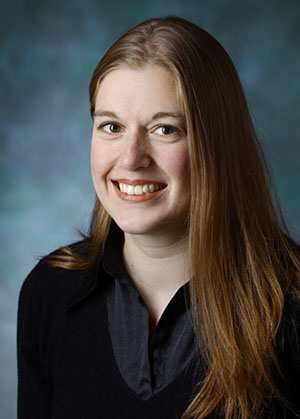
Dr. Christina Miller Promoted to Associate Professor
We are pleased to share that Dr. Christina Miller, MD, has been promoted to Associate Professor in the Department of Anesthesiology and Critical Care Medicine on the Clinical Excellence Track. Dr. Miller has been a member of the ACCM faculty for more than 15 years in the Division of Neuroanesthesia and holds a secondary appointment in the Department of Otolaryngology–Head and Neck Surgery. Over the course of her time at Johns Hopkins, she has built an outstanding reputation as an expert clinician caring for complex neurosurgical and medically challenging patients, while also serving as Medical Director of Anesthesia for Electroconvulsive Therapy (ECT).
Dr. Miller is widely recognized for her dedication to education and simulation-based training. She co-directs the anesthesiology residency Simulation Boot Camp and has developed innovative curricula that prepare trainees to manage critical intraoperative events and complex airway situations. Her work in simulation education has been disseminated nationally and internationally, and she is frequently invited to lecture and consult on the development of simulation programs at other institutions. Dr. Miller has recently been named Chief of the Neuroanesthesia Division, reflecting her leadership and the deep respect she has earned from colleagues across the department.
In addition to her educational leadership, Dr. Miller is a highly sought-after clinician and collaborator whose expertise spans neuroanesthesia, difficult airway management, and perioperative care for medically complex patients. Please join me in congratulating Dr. Miller on these well-deserved achievements and thanking her for her many contributions to our department’s missions of clinical care, education, and innovation. Division Faculty and Clinical Associates
Christina Miller, MD
Division Chief for Neuroanesthesiology
ECT Anesthesia Director, Multidisciplinary Airway Course Director, Simulation Education Co-Director
Allan Gottschalk, MD, PhD
Director, Anesthesiology Research Training Program (T32)
Thai Nguyen, MD, PhD
Neuroanesthesiology Quality and Safety Director
Kathryn Rosenblatt, MD
Fellowship Director, Director of Outreach
Alyson Russo, MD
Fellowship Director, Director of Neuroanesthesia Resident Education
John B. Sampson, MD
Executive Director Austere Anesthesia Health Outcomes Research Group
Adam Schiavi, MD, PhD, MS.
Center for Immersive Simulation and Telemedicine Director, Simulation Education Co-Director
Shruti Sudhakar, MD
Robert Thomsen, MD, FASA
Vice Chair for Human Resources and Patient Experience; Medical Director, Endoscopy; Maryland ASA Director
John A. Ulatowski, MD, PhD, MBA
Distinguished Service University Professor
Neuroanesthesia Cohort
CRNAs are able to provide anesthesia for a variety of challenging cases in neurosurgery and trauma at Johns Hopkins. They provide anesthesia for cases such as craniotomies, including awake, complex, cervical spine surgeries; posterior fossa tumor resections; endoscopic procedures; spinal fusions; and level I emergency procedures for aneurysms, subarachnoid hemorrhage, and acute trauma to the cervical spine. The CRNAs in this cohort also provide anesthesia for neuro-interventional procedures. Trust and respect are instilled in this group of CRNAs that stems from the attending anesthesiologists, surgeons, and nursing staff. It is a unique area in which to specialize because a patient’s quality of life is involved and constant vigilance is required.