 Nicholas Flavahan Lab
The primary goal of Dr. Flavahan’s research is to elucidate the cellular interactions and subcellular signaling pathways that control normal vascular function and regulate the initiation of vascular disease.
 Wei Dong Gao Lab
Focuses on molecular mechanism of hypertrophic cardiomyopathy (HCM) disease progression
 Roger Johns Lab
Dr. Johns and his team are currently investigating the molecular mechanisms that underlie the onset and maintenance of chronic pain, particularly neuropathic pain. This research has helped to elucidate a vast network of molecules at neuronal synapses, particularly the post-synaptic density (PSD), that are critical for pain signal propagation. The team’s work includes the development of new analgesics to interfere with the PSD protein interactions in the hopes of providing relief for those who suffer from debilitating chronic pain.
 Lewis Romer Lab
The long-standing scientific focus of the Romer laboratory is molecular signaling in vascular injury, repair, and regeneration, with a special emphasis on post-translational modification by phosphorylation. Care has been taken over the past two decades to build a multidisciplinary team that incorporates expertise in the biochemistry, molecular biology, and mechanochemical signaling of cell adhesion, the cell biology of cytoskeletal organization, matrix biology, and regenerative medicine.
 Lakshmi Santhanam Lab
The main focus of the Santhanam Lab is the cellular and molecular mechanisms of vascular stiffening in aging, hypertension, and pulmonary arterial hypertension, with a special emphasis on the crosstalk between matrix stiffness and vascular smooth muscle cell micromechanics and phenotype.
Neuroscience Research Program
 Jeeun Kang Lab
Brain and neural interfaces enable our data processing, decision making, task planning, and interaction to the external world. However, observing and manipulating its action are challenging due to the difficult access and needs for tight spatiotemporal resolution. Harnessing light and sound, we tackle this important barrier to quantify neurovascular physiology and electrophysiology in a less or totally non-invasive way. The potential impact has been validated in neurocritical care, surgical, or scientific settings. Also, we investigate a way to stimulate the interfaces for novel clinical solutions.
 Qin Zheng Sensory Neuroscience and Pain Lab
The Zheng Lab investigates how primary sensory neurons detect sensory stimuli and how their activity changes in chronic pain.
We focus on the dorsal root ganglia (DRG), where sensory neuron cell bodies provide access to the peripheral signals that convey information from the body to the spinal cord. Our goal is to understand which neuronal populations contribute to different forms of pain and how their activity is altered by injury or disease.
 Sujatha Kannan Neuroinflammation and Nanomedicine Lab
The Kannan lab is focused on understanding the role of neuroinflammation in injury and repair in the juvenile brain and in developing targeted nanotherapies to enable normal brain development. Our translational lab focuses on bench to bedside development of novel dendrimer nanotherapies to modulate glial cells and injured neurons to attenuate injury and enable repair.
 Ray Koehler Lab
Dr. Koehler is conducting basic and preclinical translational research in the areas of cerebrovascular physiology and cerebral ischemic injury that arises from stroke and cardiac arrest. His lab uses the filament model of transient middle cerebral artery occlusion to investigate physiologic and pathophysiologic mechanisms that underlie stroke.
 Courtney Robertson Lab
Dr. Robertson’s research is focused on identifying interventions that could minimize the neurological deficits that can persist after traumatic brain injury (TBI) in children. Following TBI, multiple pathologic intracellular cascades ensue, many of which involve mitochondrial dysfunction, which can lead to metabolic failure and cell death. Dr. Robertson and her team are using a preclinical model to study potential disruption of mitochondrial function and alterations in cerebral metabolism.
 Susanna Scafidi Lab
 Jennifer Lee-Summers Pediatric Neuroscience Lab
Focuses on identifying treatments to reduce the risk of neurologic disabilities in babies and children who experience hypoxic brain injuries. We conduct both laboratory and clinical research. Our work has been funded by the NIH and several foundations and industry, including the American Heart Association, International Anesthesia Research Society, Foundation for Anesthesia Education and Research, The Hartwell Foundation, and Medtronic.
 Liz Tucker Lab
Dr. Tucker’s clinical experience caring for children with neurological injury led her to the lab where she is passionate about conducting basic science and translational research to investigate how to improve her patient’s outcomes after brain injury.
Pain Research Program
 Yun Guan Lab
Chronic pain causes significant suffering, but treatment remains a significant unmet medical need. The long-standing scientific focus of our laboratory is to elucidate the spinal and peripheral mechanisms of pain to develop better strategies and novel targets for pain treatment. We have built a multidisciplinary team that incorporates expertise in electrophysiology, behavioral pharmacology, in vivo calcium imaging, single-cell RNA-sequencing, and cell and molecular biology.

Sivanesan Neuromodulation Laboratory (SNL)
Work in the Sivanesan Neuromodulation Laboratory (SNL) focuses on developing electrical stimulation therapies for treating neuropathic pain conditions and discovering novel applications for patients suffering from painful conditions. We study mechanisms of all modalities of spinal cord stimulation in the laboratory and aim to rapidly translate these discoveries to new treatments for chronic pain conditions. This bench to bedside approach facilitates a unique integration of the latest science with the clinical care of patients.
Translational and Clinical Research
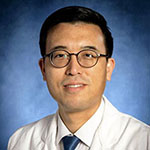 Sung-Min Cho Lab
HERALD: Hopkins Education and Research for the Advancement of Life support Devices
Harnessing artificial intelligence, wearable biosensors, and multimodal signal analytics to detect and prevent acute brain injury and improve physiological variables in critical care patients.