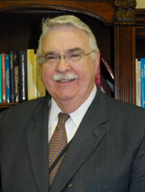
Richard (Dick) J. Traystman represented, in many ways, the best of a generation of outstanding cerebrovascular scientists with numerous seminal contributions to the field. He will also be long remembered as the “mentor of all mentors” in recognition of the over 100 fellows, students and junior faculty that he trained and supported in their own quest for excellence in science. These individuals will continue to extend Dick’s deep heritage in the field of cerebrovascular physiology and ischemia over many generations to come.
A native of New York, Dick attended Long Island University near his home, receiving both B.S. and M.S. degrees. He received his Ph.D. from Johns Hopkins University in 1971 and completed a postdoctoral fellowship with Drs. Harold D. Green and Carlos E. Rapela at the Bowman Gray School of Medicine, Wake Forest University, which cemented his life-long passion for the study of cerebral blood flow and metabolism. In 1972, he returned to Johns Hopkins as an assistant professor of Environmental Health Sciences in the School of Hygiene and Public Health. In 1980, he moved to the Anesthesiology/Critical Care Medicine Department at the Johns Hopkins University School of Medicine where he was appointed the first Director, the Vice-Chairman, of Research. He spent the next 23 years building the Anesthesiology/Critical Care Department into the premier department that it is today. In 2003, he moved across the country to assume the roles of Associate Vice President for Research Planning and Development and the Associate Dean for Basic Science Research at Oregon Health & Science University. In 2007, Dr. Traystman became the Vice Chancellor for Research at the University of Colorado Denver School of Medicine and was named a Distinguished University Professor in 2011. He remained an active researcher to his last days, showing no loss of the passion that sustained him throughout his career.
The significance of his scientific contributions to the field of cerebral blood flow and metabolism cannot be overstated. His publications span almost five decades. They meticulously constructed the conceptual framework by which we now understand collateral ventilation and blood flow, and the ways in which altered physiological settings can lead to clinically relevant disease states. These findings elucidated not only the clinical understanding of cerebrovascular dynamics in fluctuating conditions, but also significantly contributed to the development of, and understanding behind, technological advances in monitoring vascular flow and intracranial pressure. Dick’s scientific productivity is impressive, contributing to more than 475 peer-reviewed publications, over 100 book chapters and numerous editorials, reviews and commentaries. This impressive collection of original peer-reviewed studies spanning over 40 years demonstrates long-standing productivity, creativity and important contributions to the research community.
Dick was a strong advocate for the Journal of Cerebral Blood Flow and Metabolism and its parent Society, the International Society of Cerebral Blood Flow and Metabolism (ISCBFM). Dick has been a member of ISCBFM since its inception and was an active contributor throughout his career. Dick served as Editor-in-Chief of Journal of Cerebral Blood Flow and Metabolism (2003-2009) and was elected President of the International Society of Cerebral Blood Flow and Metabolism (2011-2013), allowing him to continue to lead and influence stroke science on national and international levels. He received numerous honors and prizes, including the American Society of Anesthesiologists’ Excellence in Research Award, the inaugural Laerdal Memorial Lectureship from the Society of Critical Care Medicine, the American Heart Association’s Distinguished Scientist Award and the American Stroke Association’s Willis Lecturer. In 2017, Dick received what he considered his greatest honor, the Lifetime Achievement Award from the ISCBFM.
The Richard J. Traystman, PhD Endowed Lectureship
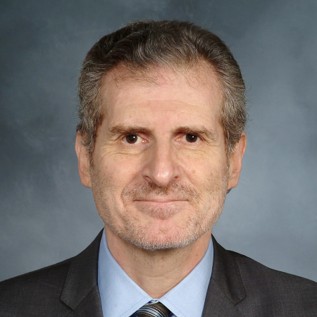
“Neurovascular Pathways to Cognitive Decline: From Vascular Cognitive Impairment to Neurodegeneration”
Presented by:
Costantino Iadecola, MD
Anne Parrish Titzell Professor of Neurology
Director and Chair, Feil Family Brain and Mind Research Institute
Weill Cornell Medicine
Dr. Iadecola is the Anne Parrish Titzell Professor of Neurology and the Director/Chair of the Feil Family Brain & Mind Research Institute at Weill Cornell Medicine. His research focuses on neurovascular function, ischemic brain injury, neurodegeneration, and mechanisms of cognitive impairment.
A leading figure in neuroscience, Dr. Iadecola helped establish the concept of the neurovascular unit and has advanced understanding of how neurovascular dysfunction, innate immunity, and the microbiome contribute to stroke and neurodegenerative diseases. He has authored more than 390 peer-reviewed publications and has served in editorial leadership roles for major neuroscience and cardiovascular journals.
His numerous honors include the American Academy of Neurology’s McHenry Award, two NIH Jacob Javits Awards, the American Heart Association’s Willis Award, and the Alzheimer’s Association Zenith Fellow Award. In 2019 Dr. Iadecola was selected Distinguished Scientist by the AHA ,and in 2021 he received the Basic Science Prize from the AHA. Clarivate Analytics lists Dr. Iadecola as one of world’s “Highly Cited Researchers” for ranking in the top one percent of the most-cited authors in the field of neuroscience and behavioral sciences.
Upcoming Grand Rounds
- 5/28/2026: Quality Assurance Committee Meeting
- 6/4/2026: Richard J. Traystman Lectureship (tentative)
- 6/11/2026: Patient-Based Learning Discussion
- 6/18/2026: TBA
- 6/25/2026: Quality Assurance Committee Meeting
- 7/9/2026:TBA
- 7/16/2026: Patient-Based Learning Discussion/Resident Introductions
- 7/23/2026: TBA
- 7/30/2026: Quality Assurance Committee Meeting
- 7/9/2026: State of the Department