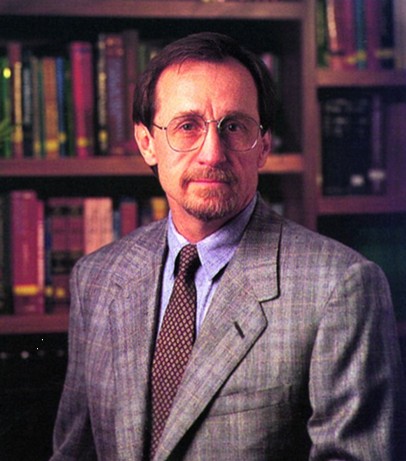
Dr. Charles Beattie was an icon in the Department of Anesthesiology and Critical Care Medicine, admired for his creativity, his infectious enthusiasm, and his generosity in mentoring trainees and junior faculty. Born and raised in Louisville, Kentucky, he earned bachelor’s and master’s degrees in chemical engineering from the University of Louisville and received a doctorate in nuclear engineering from New York University in 1971. He completed his medical education and anesthesiology training at the University of Kentucky in 1976.
Dr. Beattie joined the Johns Hopkins School of Medicine faculty in 1981 after being recruited to Johns Hopkins Hospital by Dr. Mark C. Rogers. For 13 years, he directed the Division of Critical Care Anesthesia, which provided anesthesia services for critically ill patients undergoing vascular, thoracic, liver transplant, and major abdominal surgery. During his tenure at Hopkins, he served as a principal investigator on National Institutes of Health awards and as clinical director. He was also a leader in anesthesiology education and a mentor whose influence on residents, fellows, and faculty was profound. His expertise included vascular, thoracic, and transplant anesthesia, and he wrote and lectured extensively on cardiovascular physiology and hemodynamic control mechanisms. He also helped secure one of the department’s first and largest NIH clinical trial grants, supporting the PIRAT study (Perioperative Ischemia Randomized Anesthesia Trial), which compared cardiovascular outcomes between regional and general anesthesia in high-risk patients.
After leaving Hopkins, Dr. Beattie served as chairman of the Department of Anesthesiology at Vanderbilt University from 1994 to 2001. He later moved to New York, where he rejoined his Hopkins colleague Dr. Tom Blanck and became executive vice chairman of the Department of Anesthesiology at the New York University School of Medicine.